Our History
For over a century, the African National Congress has led the struggle against racism and oppression, organising mass resistance, mobilising the international community, and taking up the armed struggle against apartheid.
African National Congress
The ANC is a national liberation movement. It was formed in 1912 to unite the African people and spearhead the struggle for fundamental political, social and economic change. For ten decades the ANC has led the struggle against racism and oppression, organising mass resistance, mobilising the international community and taking up the armed struggle against apartheid.
The ANC achieved a decisive democratic breakthrough in the 1994 elections, where it was given a firm mandate to negotiate a new democratic Constitution for South Africa. The new Constitution was adopted in 1996. The policies of the ANC are determined by its membership and its leadership is accountable to the membership.
Membership of the ANC is open to all South Africans above the age of 18 years, irrespective of race, colour and creed, who accept its principles, policies and programmes.
Aims
Creation of a united, non-racial, non-sexist and democratic society.
Objectives
Uplifting the quality of life of all South Africans, especially the poor.
Policy
The Freedom Charter remains the basic policy document of the ANC.
Key Moments in Our Struggle
Formation of the ANC
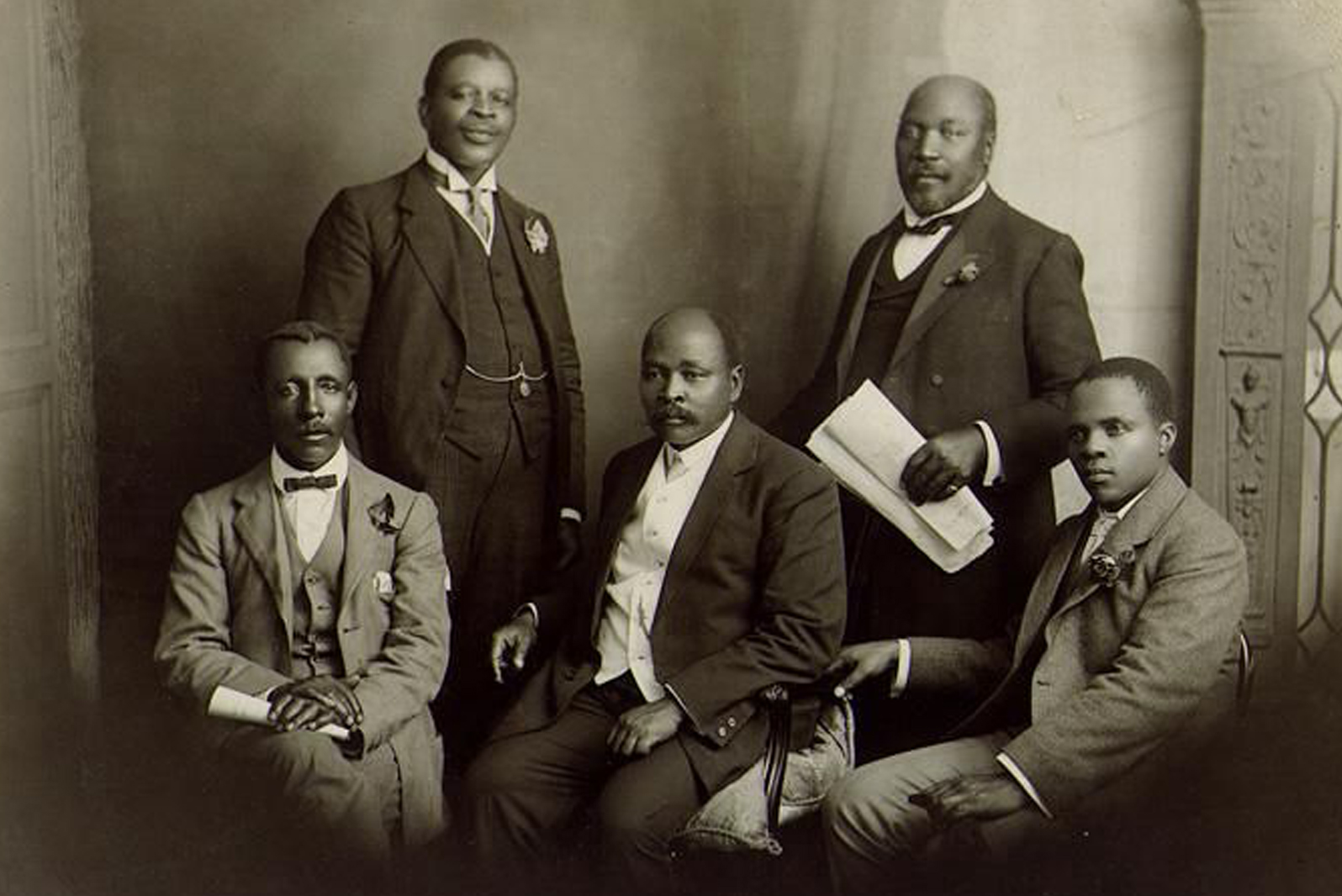
The African National Congress was formed on January 8, 1912, in Bloemfontein to unite the African people and spearhead the struggle for fundamental political, social and economic change. The founding members included Thomas Mtobi Mapikela, Rev Walter Rubusana, Rev John Dube, Saul Msane, and Sol Plaatje.
Birth of the ANCYL
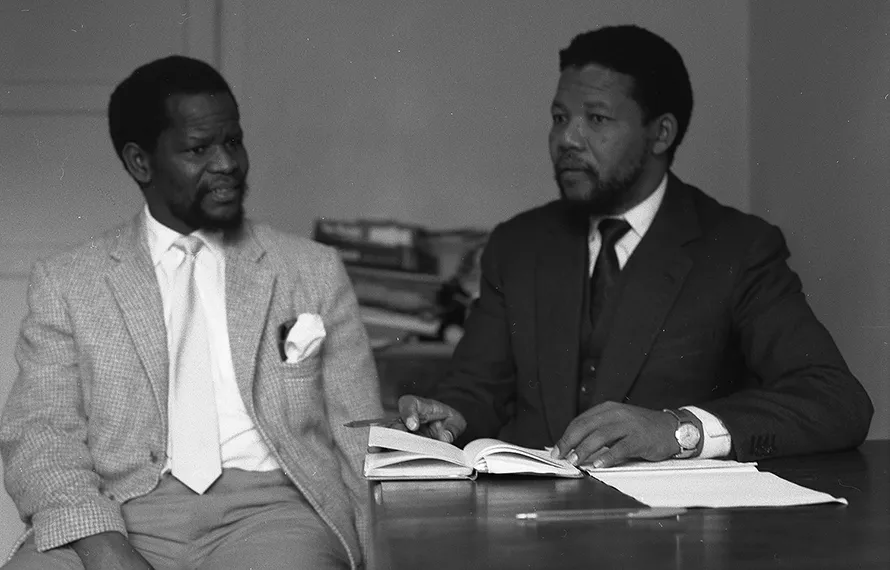
The African National Congress Youth League was founded on Easter Sunday, April 1944, by a group of young visionaries including Nelson Mandela, Walter Sisulu, Oliver Tambo, and Anton Lembede. They sought to inject new energy and militancy into the liberation movement, transforming it into a mass movement of the African people.
The Freedom Charter
The Congress of the People adopted the Freedom Charter on June 26, 1955, at Kliptown. This historic document set out the vision for a democratic, non-racial South Africa and remains the basic policy document of the ANC. The wheel in the ANC logo dates back to this campaign.
Soweto Uprising
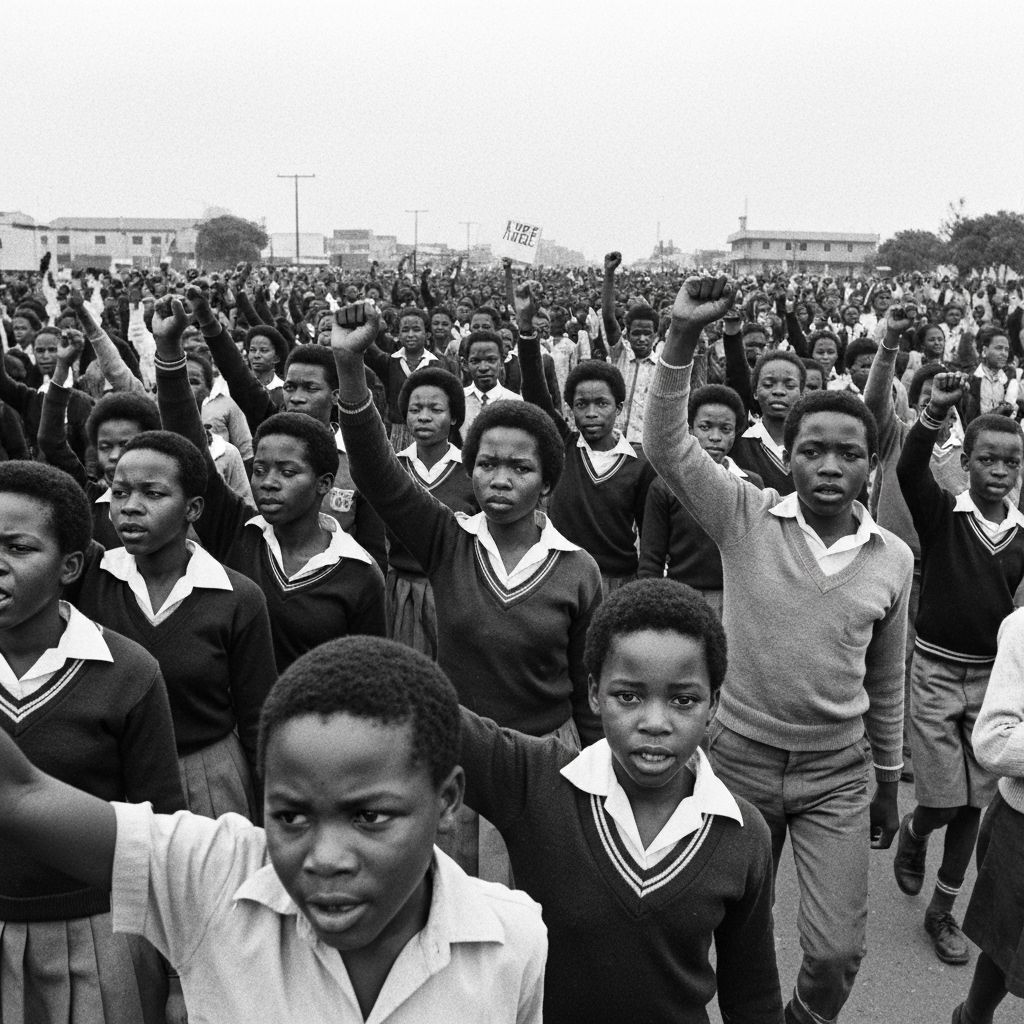
On June 16, 1976, students in Soweto rose up against the imposition of Afrikaans as a medium of instruction in schools. The brutal response by the apartheid regime sparked nationwide protests and galvanised a new generation of young freedom fighters. This day is now commemorated as Youth Day in South Africa.
Unbanning and Release
After decades of being banned, the ANC and other liberation movements were unbanned on February 2, 1990. Nine days later, Nelson Mandela walked free from Victor Verster Prison after 27 years of imprisonment, marking the beginning of negotiations towards a democratic South Africa.
Democratic Breakthrough
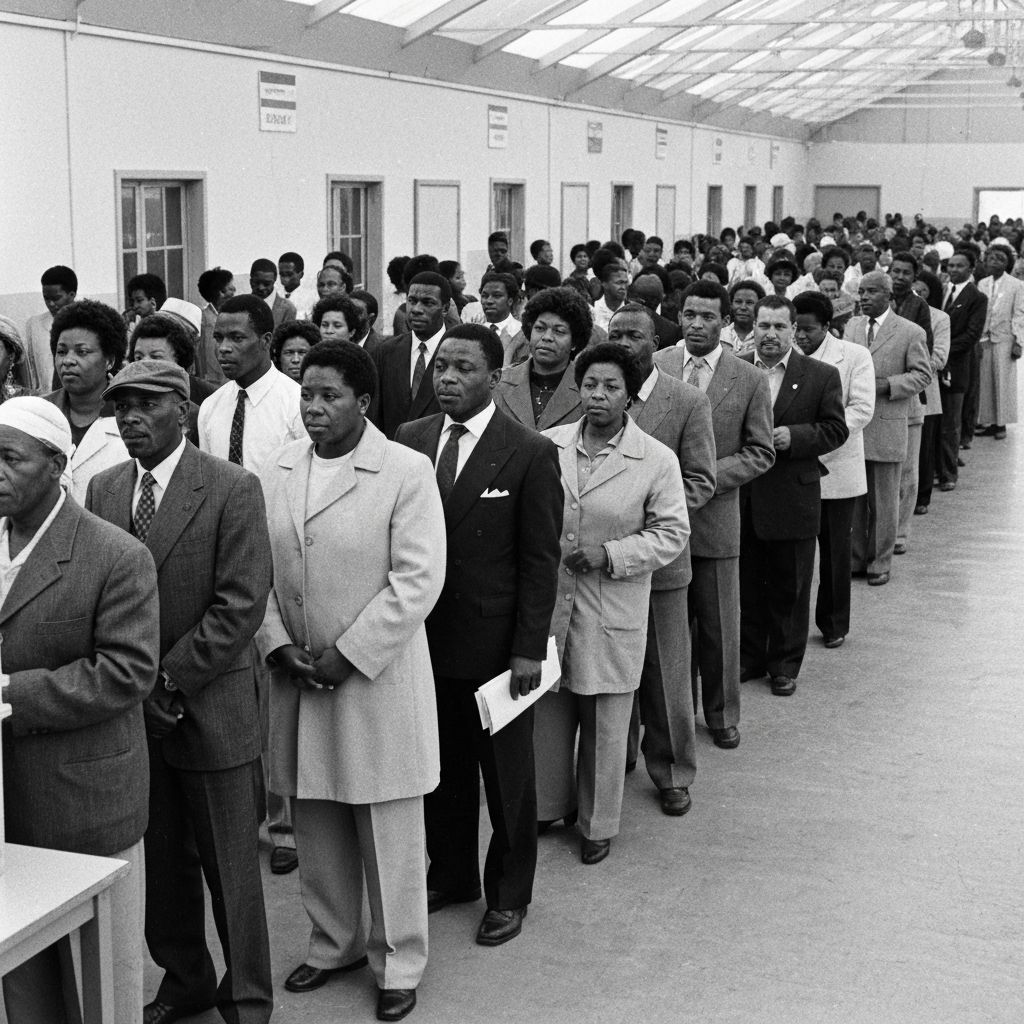
The ANC achieved a decisive democratic breakthrough in the April 1994 elections, where it was given a firm mandate to lead South Africa into a new era. Nelson Mandela became the first democratically elected President of South Africa, and the new Constitution was adopted in 1996.
Founders of the Youth League
The ANCYL was founded by young visionaries who sought to inject new energy and militancy into the liberation movement, transforming it into a mass movement of the African people.
Nelson Mandela
Founding Member
First Democratic President of South Africa
Walter Sisulu
Founding Member
Secretary General of the ANC
Oliver Tambo
Founding Member
President of the ANC in Exile
Anton Lembede
First President
Ideological Father of African Nationalism
A.P. Mda
Founding Member
President of the ANCYL
The ANC Flag and Symbolism
The flag of the ANC is made of equal horizontal bands of black, green and gold. Each element carries deep meaning in our struggle for freedom.
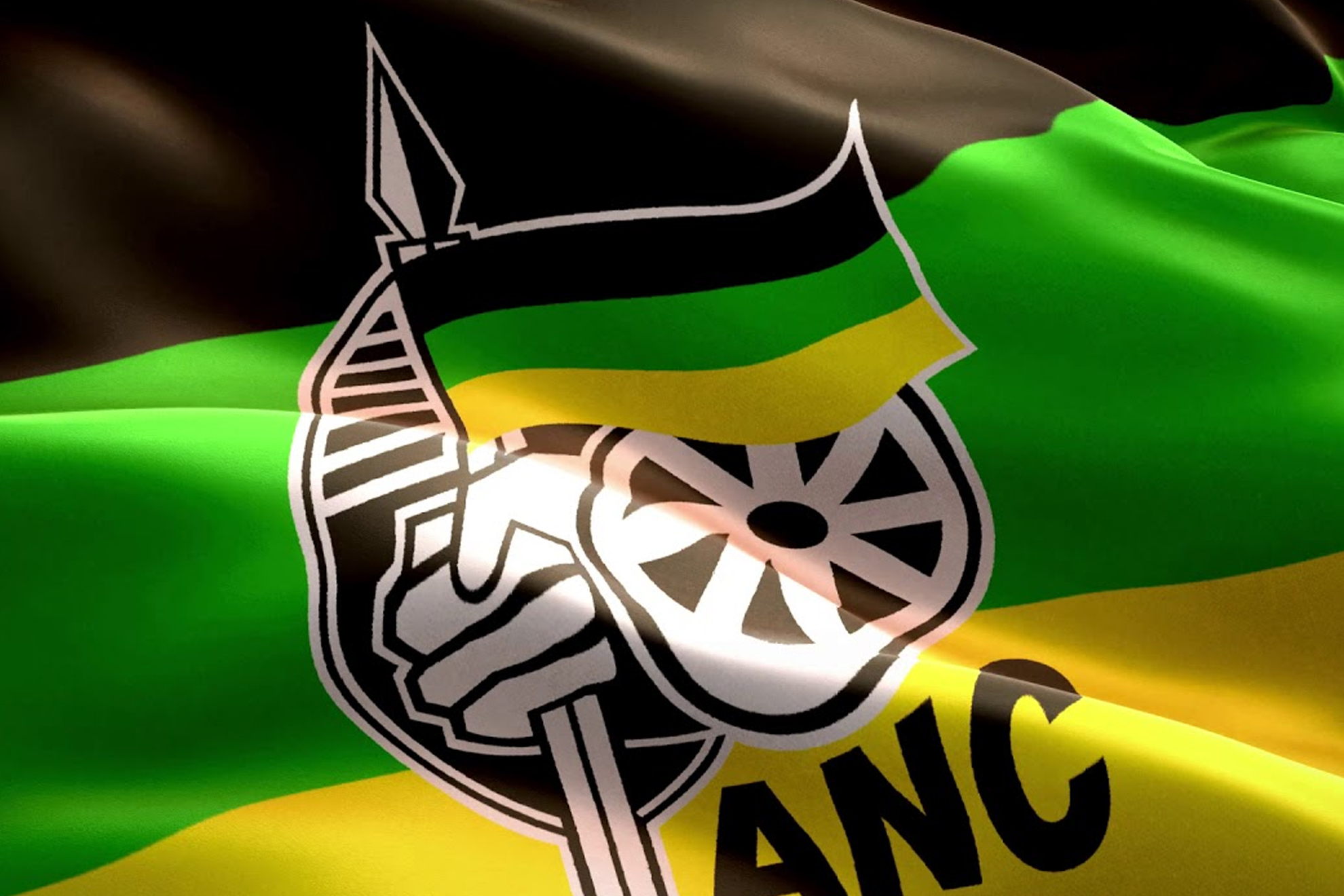
Black Band
Symbolises the people of South Africa who, for generations, have fought for freedom.
Green Band
Represents the land, which sustained our people for centuries and from which they were removed by colonial and apartheid governments.
Gold Band
Represents the mineral and other natural wealth of South Africa, which belongs to all its people.
Spear and Shield
Represents the early wars of resistance to colonial rule, the armed struggle of Umkhonto we Sizwe, and the ongoing struggle against racial privilege and oppression.
The Wheel
Dates back to the Congress of the People which adopted the Freedom Charter, marking the joining in a common struggle for freedom by people from all South Africa's communities.
The Fist
Represents the power of a people united in struggle for freedom and equality. Amandla ngawethu - Power to the people!
Continue the Legacy
Join thousands of young South Africans who are continuing the struggle for economic freedom, social justice, and a better future for all.